
Landowners can earn income from adopting regenerative practices on their farms and ranches.
Thinking about ways to improve the long-term resilience of your farm or ranch?
What are the main goals of regenerative agriculture?
There are 4 major benefits of regenerative agriculture that farmers and ranchers should consider.
Improve Soil Health
Increasing soil organic matter promotes positive downstream effects on crop production, water retention, and reliance on external inputs.
Increase Biodiversity
Regenerative practices promote biodiversity at every scale from soil microbes, pollinators and birds, to livestock like cows and sheep.
Conserve Water
Healthy soil retains water more effectively than degraded soil, reducing erosion and desertification caused by mono-crop farming.
Reduce Inputs
The need for synthetic fertilizers, herbicides, pesticides, and supplemental feed is reduced because the farm is generating the nutrients needed to sustain itself.
Common Regenerative Practices
Tillage Changes

Reducing tillage, or switching to no-till practices, benefits soil health by preserving soil structure, enhancing organic matter, and fostering a stable habitat for essential soil organisms.
Cover Crops
Planting cover crops can suppress weeds, reduce erosion, and provide additional economic value. Legumes fix nitrogen, deep-rooted crops improve water infiltration, and grasses build organic matter.

Rotational Grazing
Rotational grazing improves soil health by managing livestock to mimic natural herd movements, encouraging deeper root systems and adding organic matter through manure.

Crop Rotation
Rotating crops balances soil nutrients and improves structure and biodiversity. Planting legumes one season adds nitrogen that benefits nitrogen-hungry crops the next season.

Agroforestry
Integrating trees and shrubs with crops or livestock creates a resilient system. Silvopasture provides shade for animals while stabilizing soil and drawing up deep nutrients.
How do you get paid for regenerative agriculture?
There are different types of payment structures and funding sources for adopting regenerative agriculture.
Carbon Programs
Programs are available that compensate farmers for adopting practices that increase soil carbon. Carbon developers measure changes in soil carbon over time and sell carbon credits to corporations. Farmers are typically paid a per-acre rate, a revenue share, or both.
New Markets
Producing consumer goods that are certified as regenerative organic or biodynamic can lead to higher price premiums. Farmers can capitalize on these certification labels to gain access to new markets that command higher prices.
Government Funding
The USDA is investing hundreds of millions of dollars into programs like the Climate-Smart Commodities fund, which incentivizes farmers to adopt regenerative practices through financial assistance.
Long-term Profitability
While regenerative agriculture requires upfront investment and potential sacrifices in yield, it can provide a path to longer term, sustainable profitability by reducing expensive inputs.
Why are farmers adopting regenerative practices?
Farmers are increasingly adopting regenerative practices to build long-term resilience and independence, improve soil health, and meet shifting consumer demands. As more consumers prioritize organic products and want transparency about where their food comes from, regenerative farming practices are becoming a way to meet this demand and capture premium pricing. These practices support the land’s health over time, creating a more sustainable foundation for future production. Also, financial support is growing through public and private programs from carbon projects to funding from the USDA.
Where can you implement regenerative agriculture?
Regenerative practices can be implemented on various types of farms and ranches. Chances are, if you grow crops or manage livestock, there are opportunities to integrate regenerative practices into your farm operations.
Pastureland – Practices like rotational grazing, silvopasture, and diverse forage planting can improve soil health on pastures. Healthier soils with higher organic matter support a wider range of nutritious forage plants, allowing livestock to graze on high-quality grasses and legumes. This can improve weight gain, milk production, and overall animal health.
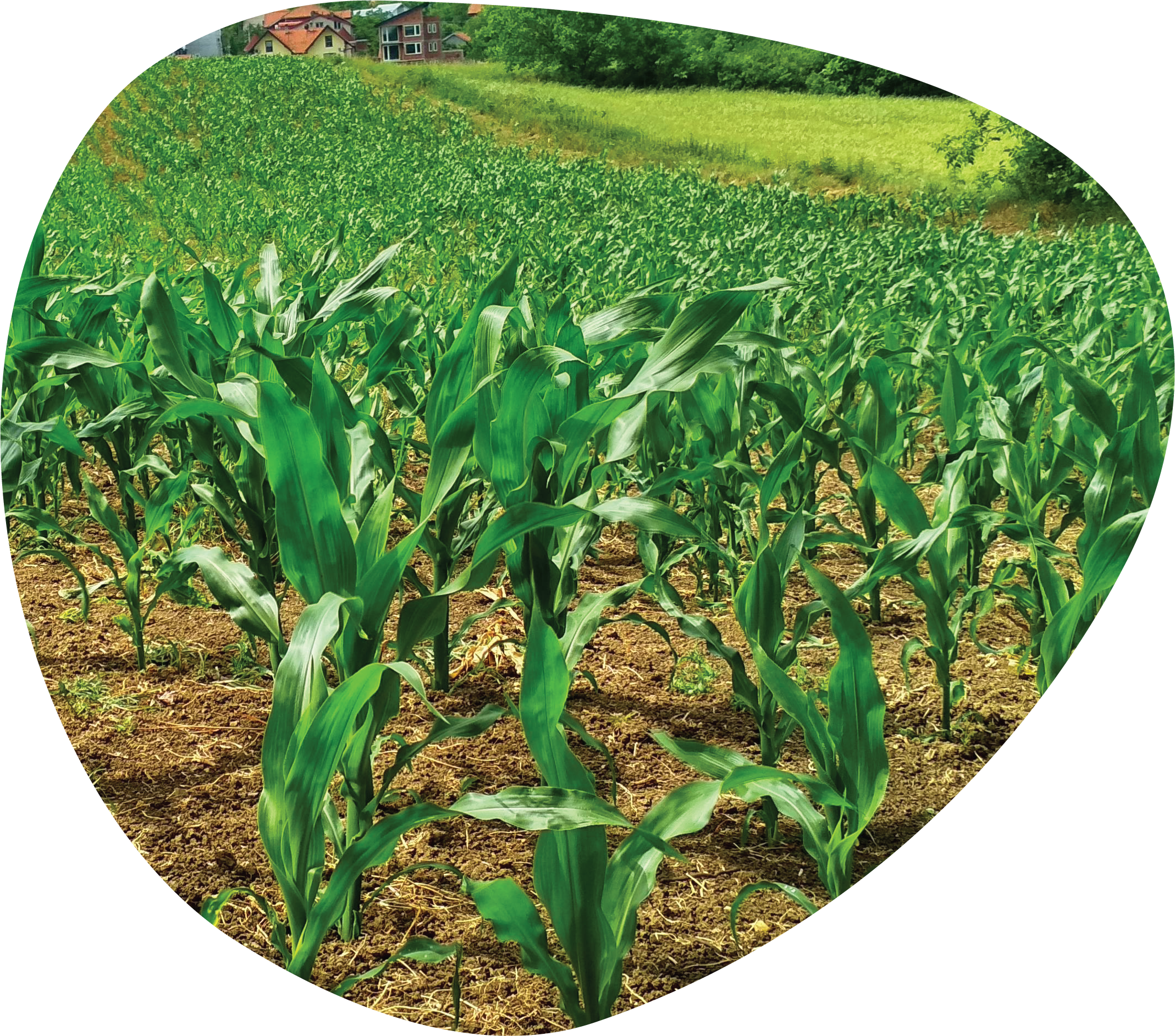
Row crops – Practices like reduced tillage, cover cropping, and diverse crop rotations help suppress weeds and pests, reduce input costs, improve soil health and enhance water efficiency, leading to more resilient and sustainable farming. These methods also contribute to carbon sequestration while supporting crop production.
Risks, Rewards, and Restrictions
Interest in regenerative agriculture is expanding rapidly. Farmers and ranchers should consider all the risks and rewards before pursuing programs.
Risks
Startup costs are often significant. Transition periods are challenging—it may take several seasons to see improvements. Yields may be lower initially. Knowledge gaps can be a barrier, requiring training and technical assistance. Market access isn't always guaranteed.
Rewards
Your soil health can improve significantly and become more resilient to threats like erosion and drought. Adopting regenerative practices can help reduce your input costs and increase the profitability of your growing operations over time.
Restrictions
Programs that measure and pay for soil carbon restrict certain activities. Contracts typically last 1 to 30 years. Activities like tilling that violate the contract can result in financial penalties. Certifications also have their own rules and verification requirements.